
Step-by-Step Guide to Building a Custom Trailer in Kenya
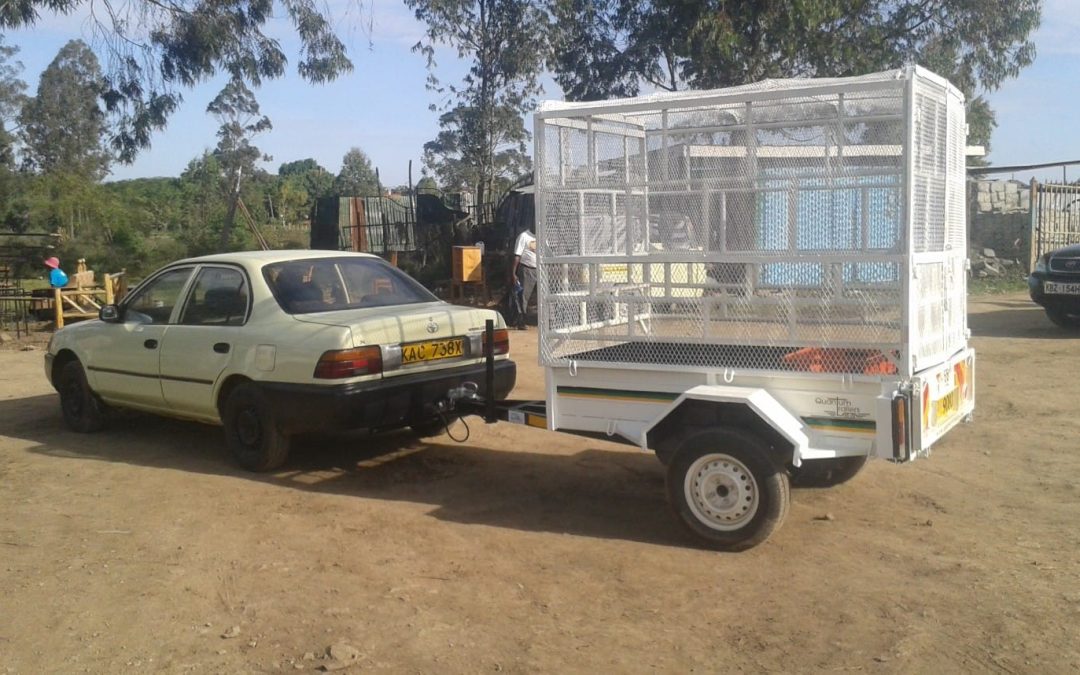
Building More Than a Trailer—You're Building a Business
Whether you're launching a mobile kitchen, expanding your logistics fleet, or setting up a pop-up retail unit, a custom trailer is one of the smartest investments you can make. But building a trailer in Kenya isn't just about welding and wheels—it's about aligning design, budget, functionality, and regulations.
In this guide, we break down the full process of building a custom trailer in Kenya—from idea to road-ready asset—so you avoid costly mistakes and end up with a high-performing solution that drives business growth.
1. Define Your Trailer’s Purpose
Every great build starts with a clear purpose. Ask yourself:
- What will the trailer be used for? (e.g., food service, transport, office space, clinic)
- How often will it be moved or stationed?
- What terrain will it operate on?
Examples:
- A food truck requires plumbing, ventilation, and power.
- A farming trailer needs durability, space, and weatherproofing.
Tip: List must-have features vs. optional add-ons.
2. Set Your Budget and Timeline
Trailer costs in Kenya range widely:
- Basic utility trailer: KES 150,000 – KES 300,000
- Mobile kitchen or salon: KES 500,000 – KES 900,000
- Container conversions: KES 600,000 – KES 1.2M
Factor in:
- Materials (steel vs. aluminum)
- Custom design complexity
- Equipment (e.g., sinks, fridges, lighting)
- Licensing & inspection fees
Related: Quantum Trailers Pricing Guide
3. Choose the Right Fabricator in Kenya
The right builder can make or break your trailer. In Nairobi and other urban centers, trailer fabrication is a competitive industry—but quality varies.
Qualities to Look For:
- Experience with similar builds
- Transparent pricing
- NTSA compliance knowledge
- Customer reviews and portfolio
Top Pick:
Quantum Trailers – Nairobi-based fabricator specializing in high-quality custom trailers, container conversions, and mobile businesses.
4. Design & Layout Planning
Once you’ve selected a fabricator, the next step is to plan the trailer’s layout. This is where your business needs meet functional engineering.
Design Elements to Consider:
- Floorplan and movement flow
- Electrical wiring and power sources
- Plumbing and drainage
- Ventilation and insulation
- Branding surfaces (interior and exterior)
Pro Tip: Use 3D mockups or CAD designs before fabrication begins.
5. Material Selection
Kenya’s climate and terrain require materials that can withstand both road stress and harsh weather conditions.
Recommended Materials:
- Frame: Reinforced steel or aluminum
- Exterior walls: Aluminum sheeting or coated steel
- Flooring: Anti-slip vinyl or marine plywood
- Roofing: Waterproof coated metal
Quality materials mean less maintenance and more safety.
6. Fabrication Process: What to Expect
Once plans and materials are approved, fabrication begins.
The Key Stages:
- Chassis Construction – Foundation for strength and mobility
- Frame Building – Walls, roof, and floor structure
- Systems Installation – Plumbing, electricity, insulation
- Interior Fit-Out – Storage, shelving, equipment mounting
- Exterior Finishing – Painting, branding, lighting
Depending on complexity, the build can take 3–6 weeks.
Visual: Timeline of a trailer build (use image with alt tag: “Custom trailer fabrication stages in Kenya”)
7. Roadworthiness & NTSA Compliance
A trailer in Kenya must be compliant with National Transport and Safety Authority (NTSA) regulations to legally operate.
Key Requirements:
- Trailer registration and logbook
- Functional braking and lighting systems
- Reflectors and side markings
- Proper weight distribution
Inspection Tips:
- Schedule NTSA inspection early
- Ensure documentation from your fabricator is complete
Resource: NTSA Trailer Guidelines (https://www.ntsa.go.ke/)
8. Insurance & Licensing
Trailers require insurance for theft, damage, and third-party liability.
Options in Kenya:
- CIC Insurance
- Jubilee
- GA Insurance
Licensing fees depend on trailer class, weight, and region. Your fabricator or NTSA office can provide exact figures.
Pro Tip: Consider bundling trailer and towing vehicle insurance for better rates.
9. Delivery & Final Testing
Before taking ownership:
- Inspect all welds and joints
- Test brakes, lights, and mobility
- Review all documentation
Quantum Trailers includes final testing and a free service check-up within 60 days of delivery.
10. Launch & Business Integration
Once delivered, integrate your trailer into your business strategy:
- Announce the launch on social media
- Partner with delivery platforms or mobile service apps
- Train your team on maintenance and usage
Example:
James, a barber in Nairobi, used his Quantum-built trailer to serve clients in office parks and estates. With minimal overhead, he recouped his investment within 7 months.
Related: How a Custom Trailer Can Help You Increase Revenue
Final Thoughts: Build Smart, Drive Far
Building a custom trailer in Kenya is a journey—one that, when done right, pays off with flexibility, cost-efficiency, and business growth. From planning and budgeting to fabrication and licensing, each step shapes your success.
Ready to build yours? At Quantum Trailers, we guide you through every phase. Whether you need a food truck, farm trailer, salon on wheels, or container office—we’re your trusted fabrication partner.
💬 Need Help Getting Started?
Let us help you design and build your dream trailer. Contact Quantum Trailers Today