
Best Trailers for Farming and Agricultural Use in Kenya: A Comprehensive Guide
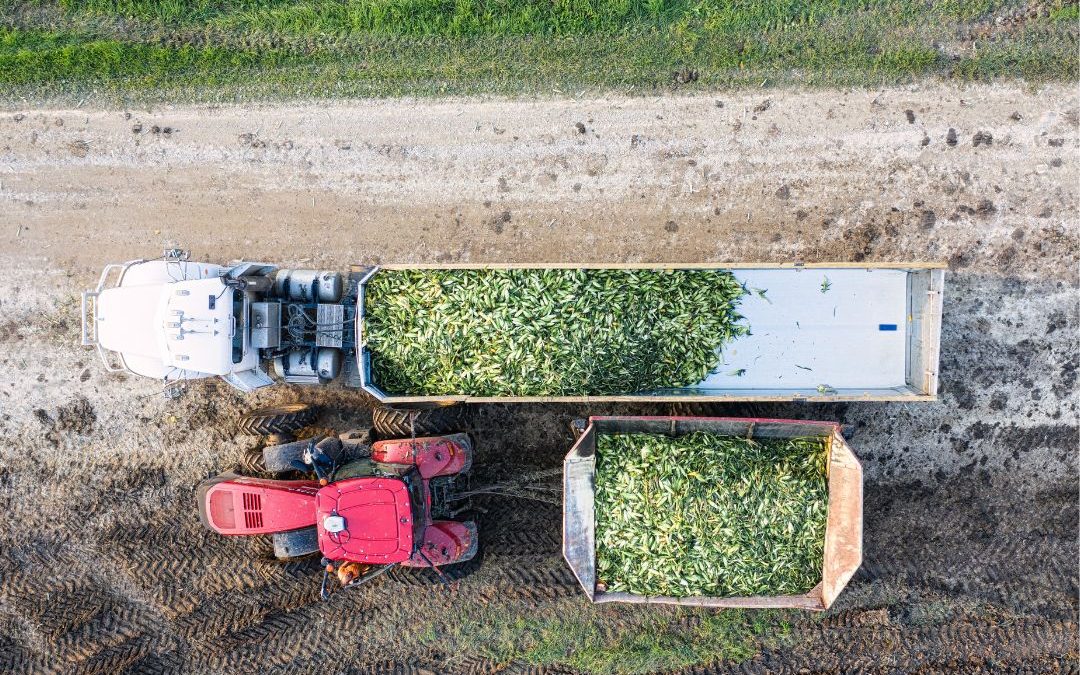
Solving the Farming Transport Puzzle in Kenya
In the heart of Kenya's agricultural economy, transportation is everything. From ferrying produce to market to moving heavy farm equipment across vast fields, having the right trailer can mean the difference between profit and loss. Yet many farmers still grapple with inefficient, overloaded, or poorly customized trailers. The question arises: What are the best trailers for farming and agricultural use in Kenya? This guide breaks it all down—types, uses, tips, and where to find the best custom solutions locally.
Why the Right Agricultural Trailer Matters
Agriculture in Kenya contributes over 33% to the GDP and employs more than 75% of the rural population. However, logistical inefficiencies often eat into potential earnings. A good trailer helps:
- Improve productivity and turnaround time
- Reduce manual labor and post-harvest losses
- Ensure safe and secure transport of goods
From transporting livestock to delivering sacks of maize to market, the right trailer becomes a critical asset.
Common Types of Trailers for Kenyan Farms
When selecting a trailer, it's essential to consider the specific agricultural activities on your farm. Below are the most commonly used trailers in Kenya’s agricultural sector:
a. Flatbed Trailers
Perfect for transporting hay bales, equipment, and pallets. These are open, versatile, and great for large or irregularly shaped loads.
Best for: Machinery, farm inputs, large harvests
Tip: Opt for custom-built flatbeds with removable sides for increased flexibility.
b. Tipping/Dump Trailers
These trailers come with a hydraulic system that allows quick offloading of loose materials.
Best for: Manure, soil, gravel, maize
SEO Keyword Tip: Look for custom dump trailers in Kenya to find localized solutions.
c. Livestock Trailers
Designed with ventilation and anti-slip flooring, livestock trailers are essential for safe animal transportation.
Best for: Cattle, goats, sheep, pigs
Customization Tip: Add dividers and water points for long hauls.
d. Cage Trailers
Essentially flatbed trailers with cage sides, ideal for transporting loose farm produce.
Best for: Produce like cabbages, tomatoes, and potatoes
Local Hack: Use collapsible cage trailers to maximize storage space.
Key Considerations When Choosing a Farming Trailer
Before purchasing a trailer, consider the following:
- Load Capacity: Match the trailer’s capacity to your daily transport needs
- Material: Galvanized steel or heavy-duty aluminum for longevity
- Road Conditions: If you're navigating rural roads, consider reinforced axles and suspension
- Compatibility: Ensure the trailer matches your tractor or towing vehicle
- Legal Compliance: Get a trailer that meets NTSA and KEBS regulations
Check this NTSA trailer guidelines PDF for details (https://www.ntsa.go.ke/)
Where to Buy or Build a Farm Trailer in Kenya
Your best bet is working with a local fabricator who can customize your trailer to meet specific farm needs.
Top places to explore:
- Quantum Trailers Kenya: Known for bespoke, durable agricultural trailers. Visit Quantum Trailers (https://quantumtrailers.co.ke/)
- Jua Kali Fabricators in Industrial Area Nairobi: Budget-friendly and fast turnaround
- Agri-tech expos and agricultural trade shows: Good for exploring innovations and building supplier relationships
Cost Breakdown of Agricultural Trailers in Kenya
| Trailer Type | Estimated Cost (KES) |
|---|---|
| Flatbed | 100,000 – 250,000 |
| Dump/Tipping Trailer | 180,000 – 350,000 |
| Livestock Trailer | 200,000 – 500,000 |
| Cage Trailer | 120,000 – 280,000 |
Pro Tip: Request a site visit and discuss usage before fabrication begins. You’ll save money by avoiding modifications later.
Maintaining Your Agricultural Trailer
To extend the life of your trailer:
- Perform regular greasing and inspection of the axle
- Clean off mud and crop residue to prevent rust
- Check tire pressure and wear
- Replace any worn-out brake or light systems
Include reminders on your farm calendar for trailer maintenance.
Success Story: From Manual Transport to Mechanized Efficiency
Joseph, a maize farmer in Kitale, used to rely on donkey carts to move his produce. After switching to a custom-made flatbed trailer from Quantum Trailers, his weekly transport time dropped by 40%. With fewer losses and better turnaround, his income improved significantly.
Lesson: Investing in the right trailer pays off—literally.
Conclusion: Invest Smart—Transform Your Farm Logistics
Choosing the best trailer for your agricultural needs in Kenya isn't just a purchase—it's a game-changing investment. Whether you're transporting livestock, fresh produce, or farming tools, the right trailer improves efficiency, protects your harvest, and boosts profits. Take the time to assess your needs, explore your options, and partner with a reputable local fabricator.
Ready to transform your farm transport? Get a quote from Quantum Trailers today (https://quantumtrailers.co.ke/contact) or reach out for a custom consultation.
Frequently Asked Questions (FAQ)
Q: Can I customize my trailer based on my farm needs?
A: Yes! Most fabricators in Kenya offer customization to suit your terrain, load size, and hauling preferences.
Q: Do I need a permit to operate an agricultural trailer?
A: Yes. Make sure your trailer is roadworthy and registered with NTSA.
Q: How long does it take to build a custom trailer?
A: Typically 2–4 weeks depending on complexity and workload.
For more insights on smart farming tools, transport innovations, and agri-business growth in Kenya, follow us on:
Facebook (https://facebook.com/quantumtrailerske),
Instagram (https://instagram.com/quantumtrailerske),
and subscribe to our newsletter.